From Mrs Cohen's café to 100 Hatton Garden
The Bourse was founded in 1940 by merchants who had lost everything but their trade. Eighty-six years on, it is the United Kingdom's only diamond, gemstone and jewellery trading floor.
Antwerp had been the centre of the world's diamond trade for most of its long history, and the home of its oldest institutions. In May 1940 the city fell.
Among those who reached Britain in the months that followed were a number of diamond merchants. Some carried their stock with them. The account passed down within the trade is that stones were sewn into the linings of coats and cases to get them across the border — a story told often enough, and by enough people, that it has become part of how the Bourse remembers its own beginning.
London had no trading floor of its own. Within months it had one, assembled by men who had arrived with little else.

How the Bourse was built

Mrs Cohen's Café, Greville Street
The first Bourse met in a café near the junction with Hatton Garden. Max Lack was elected President, and held the office until 1982.

Rebuilding, and a new generation
Membership grew, joined by survivors of the occupation and of the camps. They began as brokers, supported by dealers already on the floor.
57 Hatton Garden
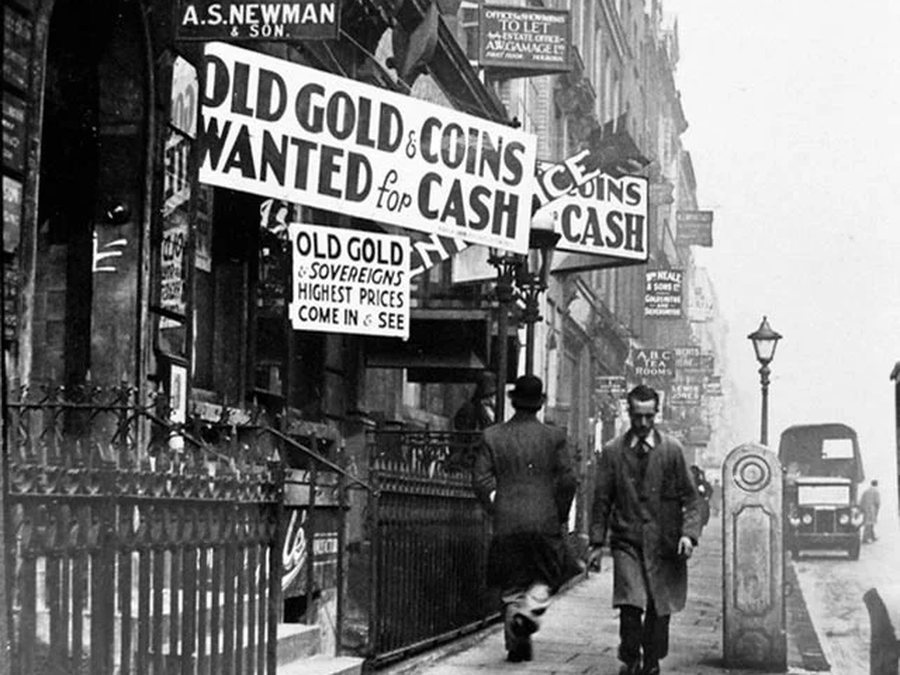
The café was long outgrown. The Bourse took the ground floor of number 57 as a temporary home.
32 Hatton Garden
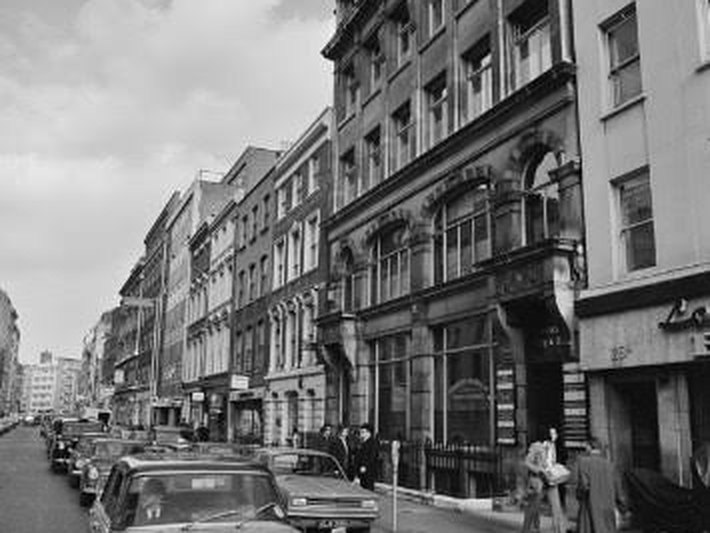
A new building gave the Bourse its first dedicated home — the whole first floor, Barclays beneath. Trading flourished through the 1960s and 1970s.
100 Hatton Garden
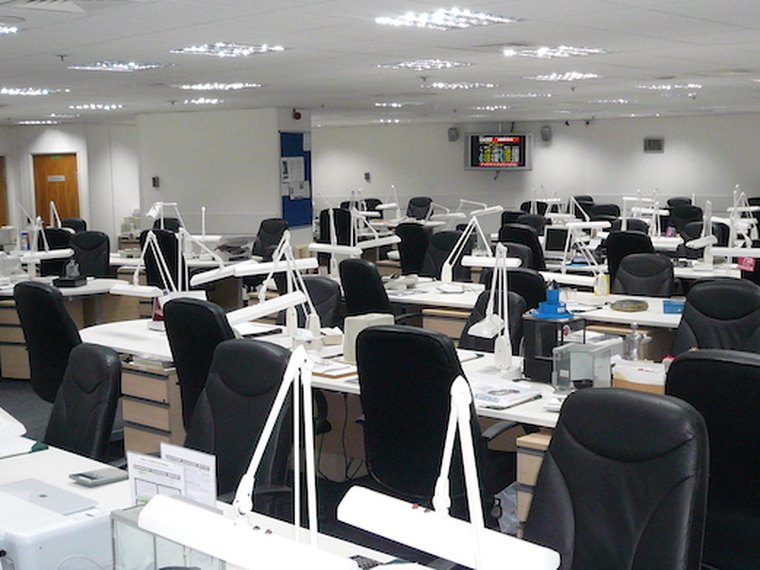
Plans approved for a purpose-built development: diamond offices throughout, a safe deposit in the basement. The Bourse's home ever since.
The Bourse and the Club unite
The trade contracted, and the case for two separate London organisations fell away. Negotiations with the London Diamond Club produced a single body.
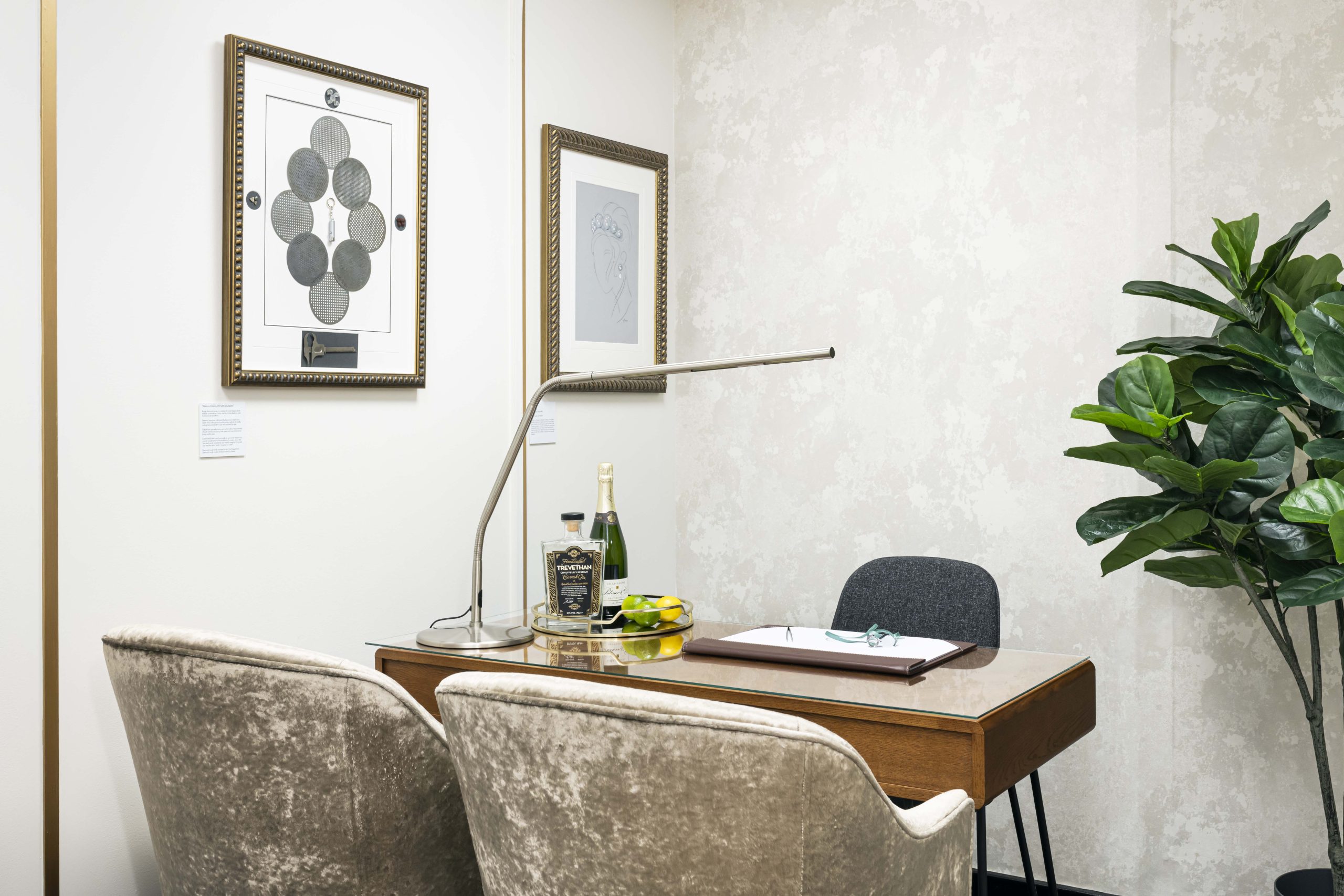
One floor, a wider trade
Dealers, manufacturers, retailers, designers, valuers, gemmologists and antique specialists — with education and viewing rooms at 100 Hatton Garden.
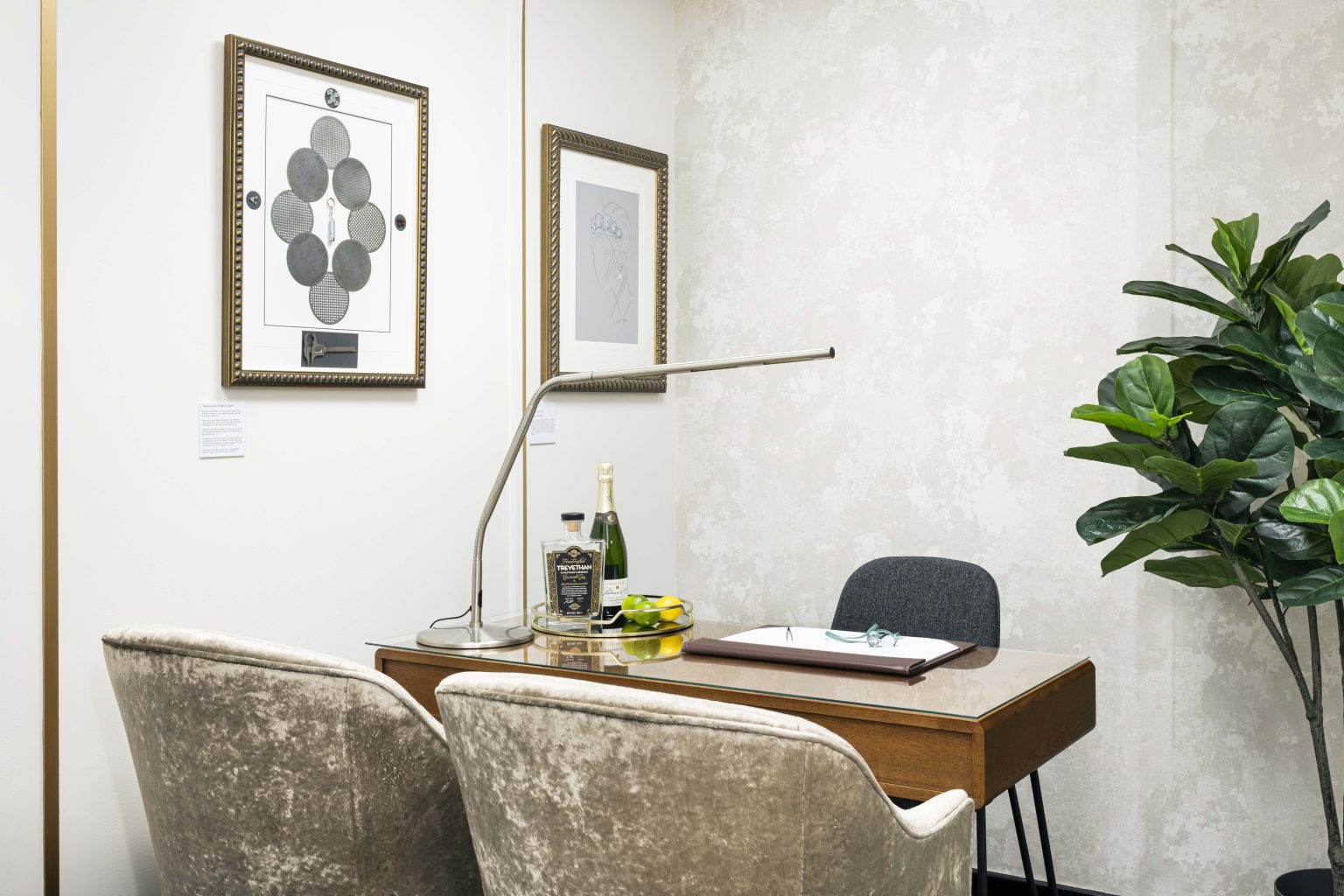
Still the only one of its kind
The United Kingdom's only diamond, gemstone and jewellery trading floor.
What began as a room above a café is now a members' institution with a building, an arbitration system, a teaching programme and a seat in the world's diamond network. What has not changed is the basis of it: members who are known to one another, and who trade on that footing.
Membership is open to professionals across the trade, at every stage of a career — from established dealers to those just entering it. See the membership tiers.
Membership is by application
Trading privileges, arbitration, viewing rooms and a seat in the world's diamond network. We're glad to talk it through before you apply.
The board
The Bourse is governed by an Executive Committee and a Council of Management, drawn from working members of the trade, with Executive Advisors who have served as officers before them.
Executive Committee
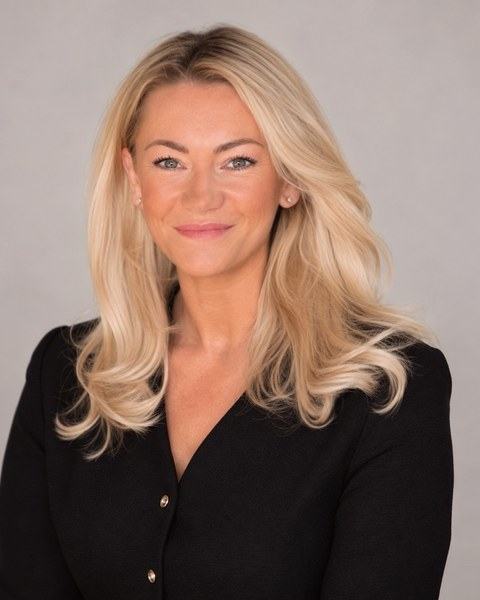
President
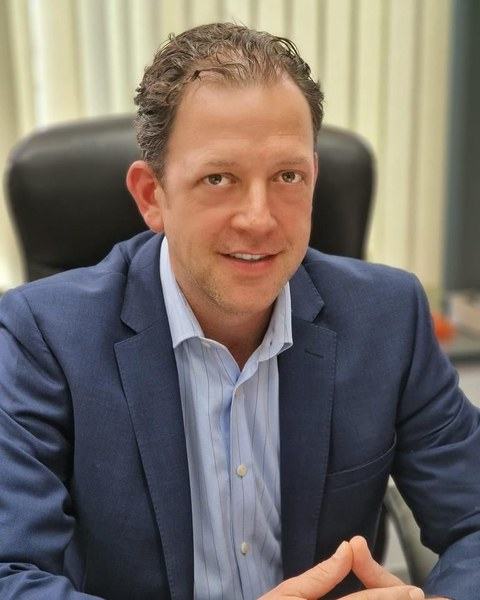
Vice President

Treasurer
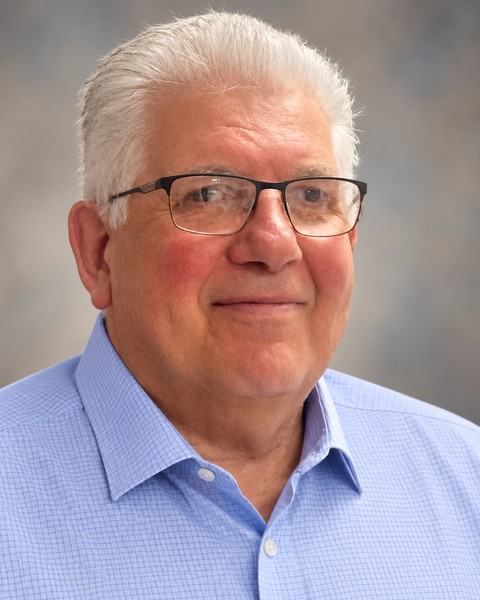
Executive Officer
Council of Management
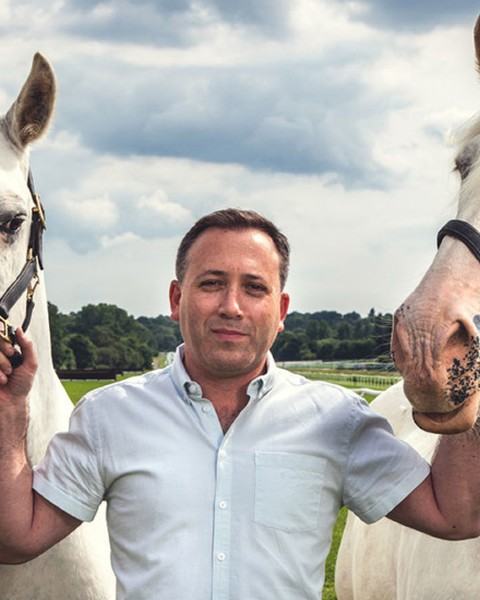
Council of Management
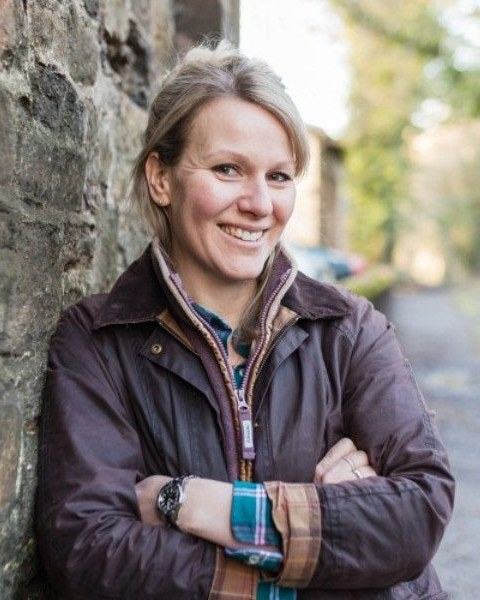
Council of Management
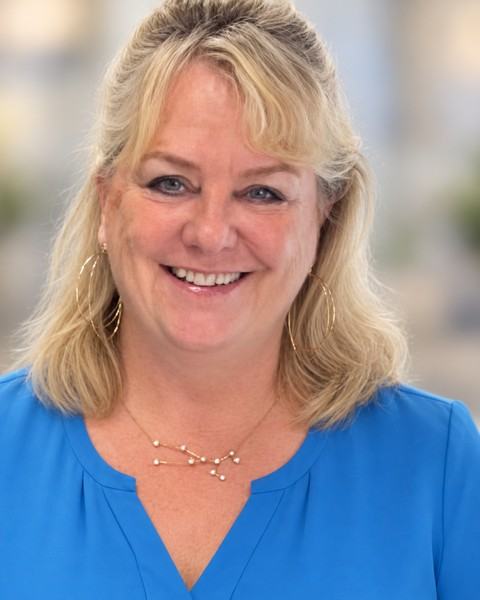
Council of Management

Council of Management
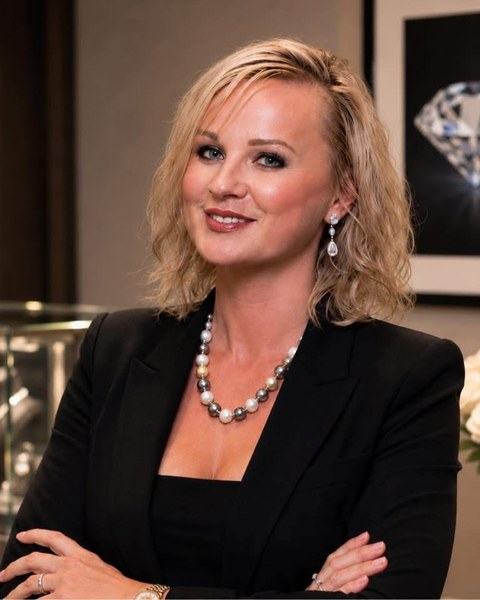
Council of Management
Executive Advisors
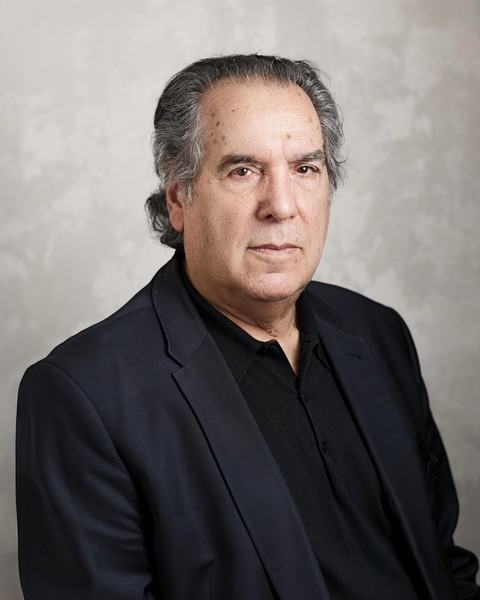
Executive Advisor
Past President
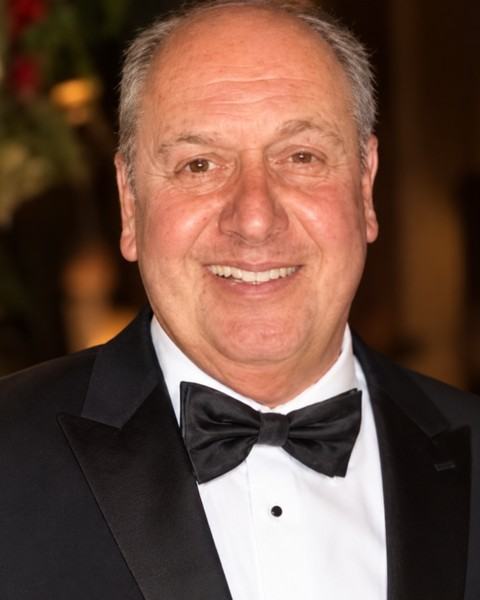
Executive Advisor
Past Treasurer
The trading floor team
The people members deal with day to day — on the floor, at the front desk and in the office.

Business Development Director
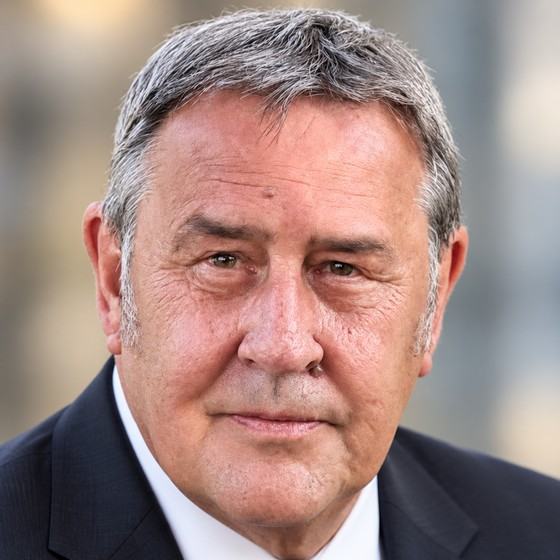
Security & Front of House Manager
Office Administrator
Security & Front of House Officer
Founded in
The London Diamond Bourse first opened its doors in 1940. The necessity for London to open a trading floor came about mainly as a result of the occupation of Belgium in May 1940 by the Nazis. At the time Antwerp was the main diamond trading hub of the World, and had for most of its long history been the home of several active trade organisations. Amongst the refugees who managed to reach this country were a number of diamond merchants. In some cases they were able to bring their own stock with them. The fables go that the refugees managed to get their stock out by sewing the diamonds into the lining of their garments in order to smuggle their stock across the
Mrs Cohen's Cafe
The setting for the diamond traders of its time, and the first location of the London Diamond Bourse was established in Greville Street inside Mrs Cohen's Cafe, near its junction with Hatton Garden. A Committee and President (the Late Max Lack, who remained in office until he became Honorary Life President in 1982) were elected and, notwithstanding the very cramped and primitive conditions, the organisation worked with remarkable success.
1945 Onwards
From 1945 onwards, there was an influx of members, some of whom were survivors of the Nazi occupation and concentration camps. Many of these had lost all their possessions and, in the cases of younger ones, missed their education, they started as diamond brokers with the help of those already established as dealers. In the mid 1950s, the place was far too cramped and the London Diamond Bourse moved to the ground floor of 57 Hatton Garden as a temporary home. A few years later a new building was erected at 32 Hatton Garden, and with Barclays Bank on the ground floor, the London Diamond Bourse occupied the whole of the first floor.

100 Hatton Garden
For the first time, the London Diamond Bourse established a dedicated and fitting home, marking the beginning of a period of strong growth and prosperity. During the 1960s and 1970s, trading flourished and by 1980, plans were approved to relocate to a new purpose-built development at 100 Hatton Garden, designed to accommodate numerous diamond offices, with Barclays Bank on the ground floor and a safe deposit facility in the basement—creating a central hub for London’s diamond trade.

LONDON DIAMOND BOURSE AND CLUB
With changes worldwide within the Diamond Industry and various problems facing the UK Jewellery Trade during the 1980s, the diamond community found its numbers contracting. Many of the younger members had long felt that any valid reasons for the maintenance of two separate diamond trading organisations in London had fallen by the wayside. Pragmatism now lent force to their point of view. Negotiations with the London Diamond Club were accordingly undertaken, which were to lead to the Formation of the new united "London Diamond Bourse and Club".

Today
Today, the London Diamond Bourse combines its rich heritage with a modern role in the jewellery industry. Membership now spans diamond dealers, manufacturers, retailers, designers, valuers, gemmologists and antique jewellery specialists, creating a diverse community that fosters knowledge, collaboration and growth. With flexible membership, educational programmes and industry initiatives, the Bourse supports professionals at every stage of their careers and nurtures the next generation. It remains one of Europe’s leading trading floors and a hub for expertise, networking and professional development in the global jewellery market.

David Troostwyk
President Director - Salotro Ltd

Charlotte Rose
Vice President - Diamond Pipeline Consultant

Paul Koppelman
Executive Officer - Diamond Trader

Lewis Malka
Treasurer - Engagement Ring Specialist

Kathy Chappell
Founder Fair Trade Gemstones Ltd

James Heath
Founder Heath Diamonds

Lisa Levinson
Head of UK Natural Diamond Council

Howard Levine
Founder Diamnet

Deborah Smookler
Partner London Victorian Ring Co

Alan Cohen
Past President

David Joffe
Past Treasurer